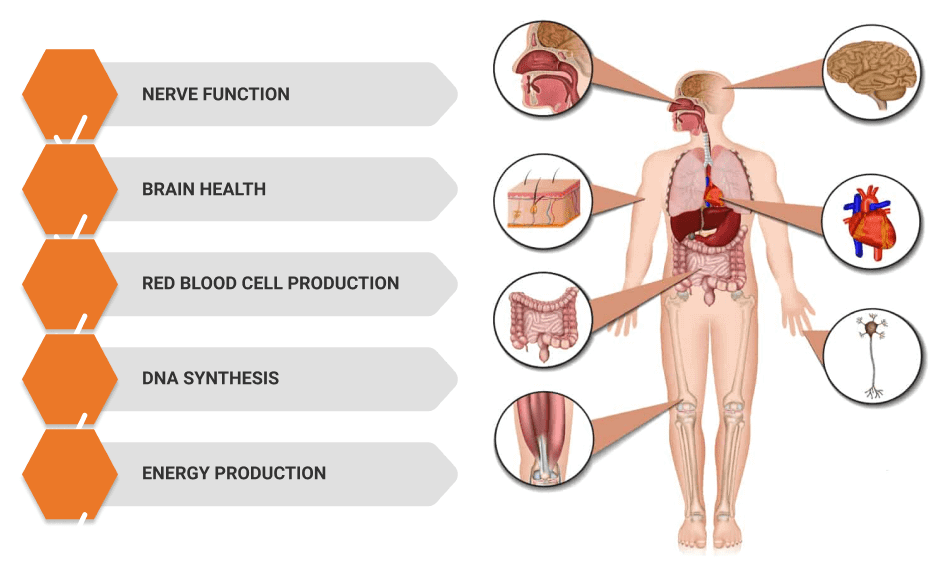
The lack of oxygen-carrying red blood cells can also affect the functioning of various organs in the body
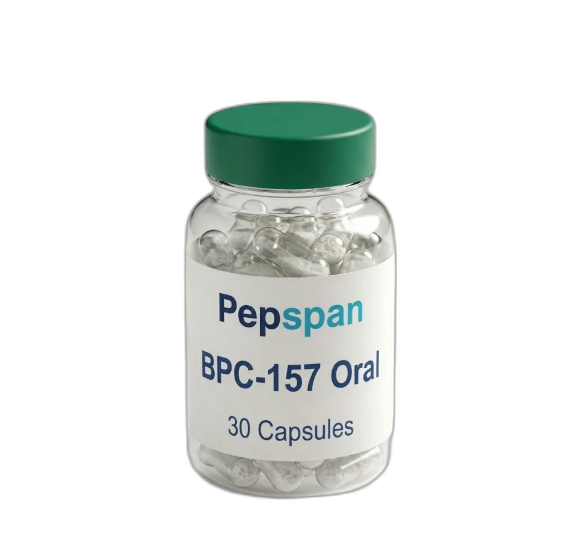
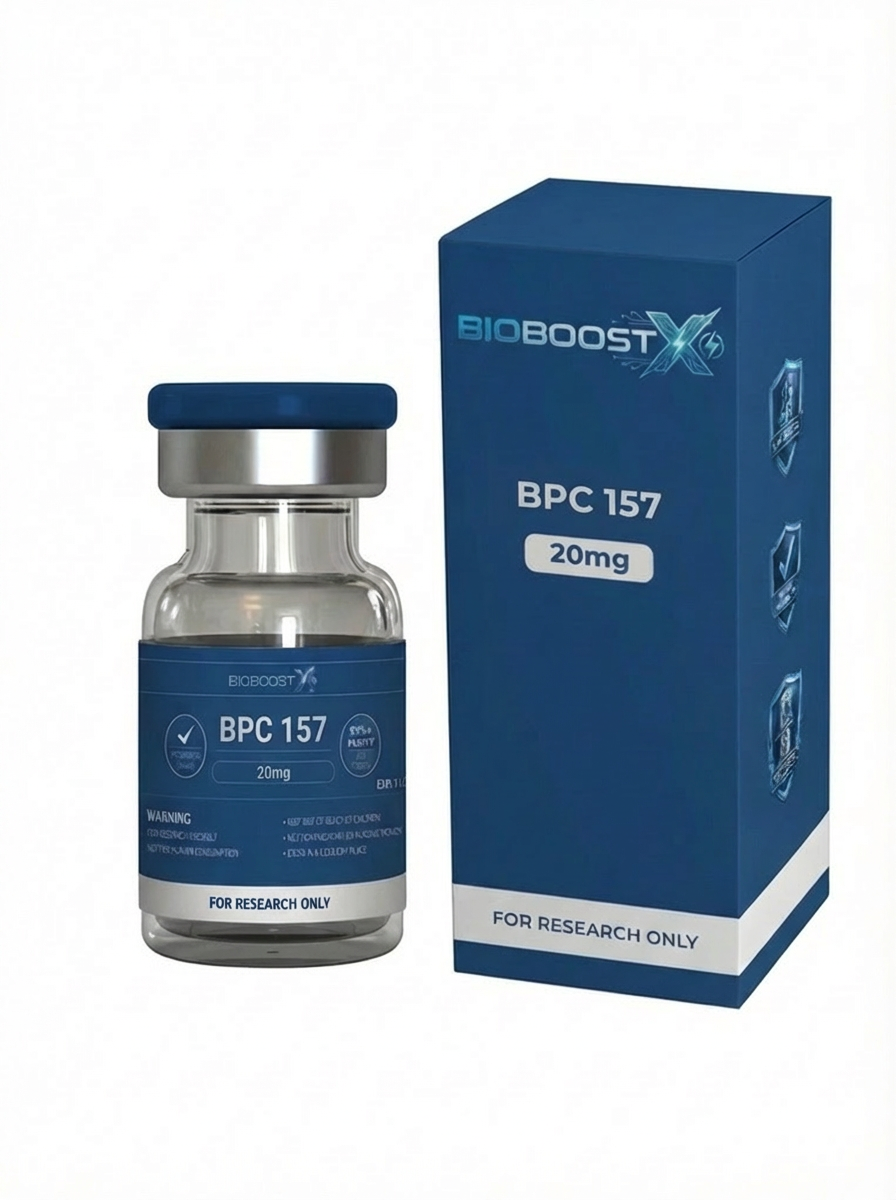
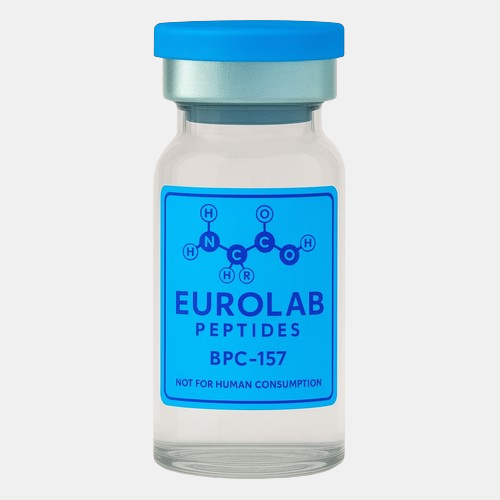
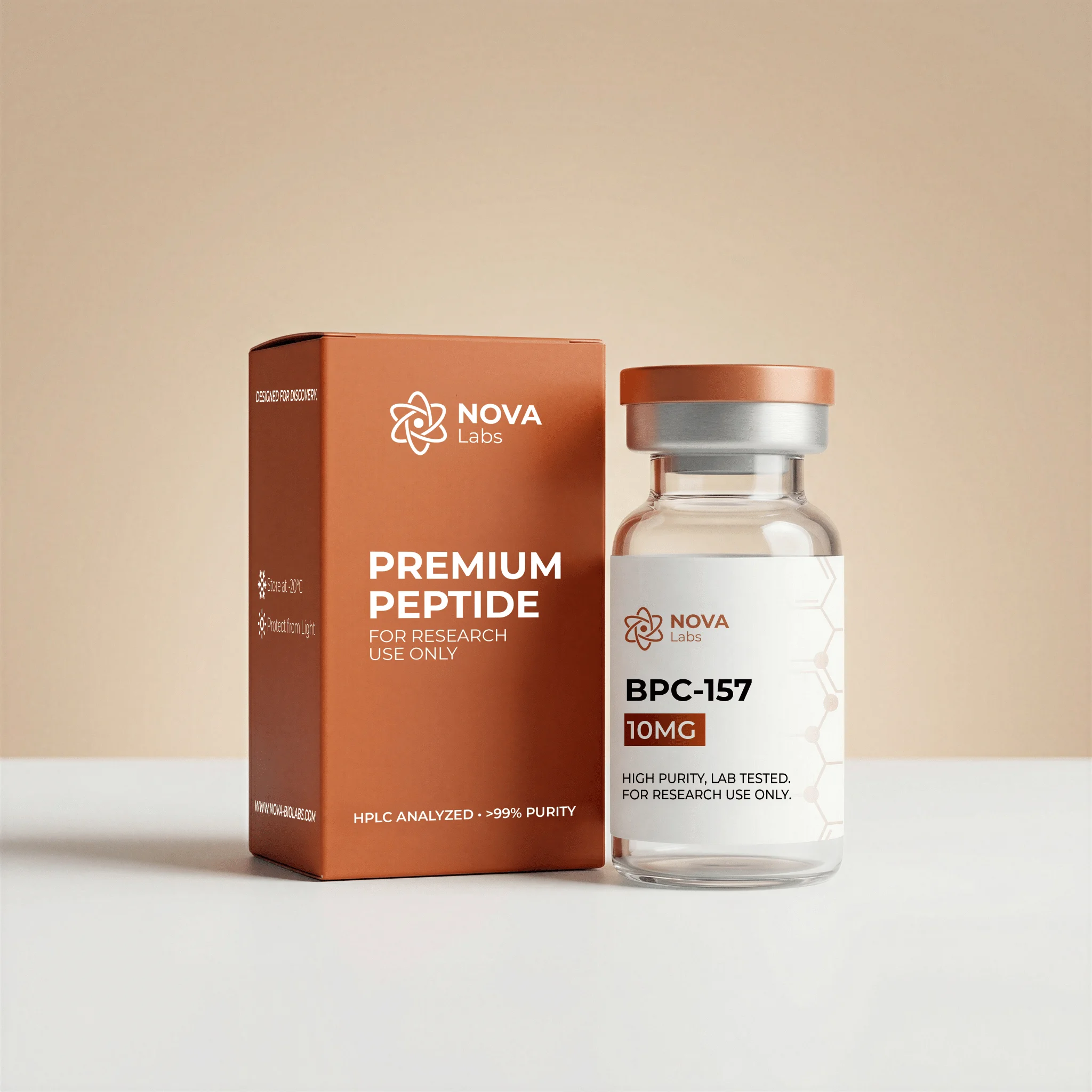
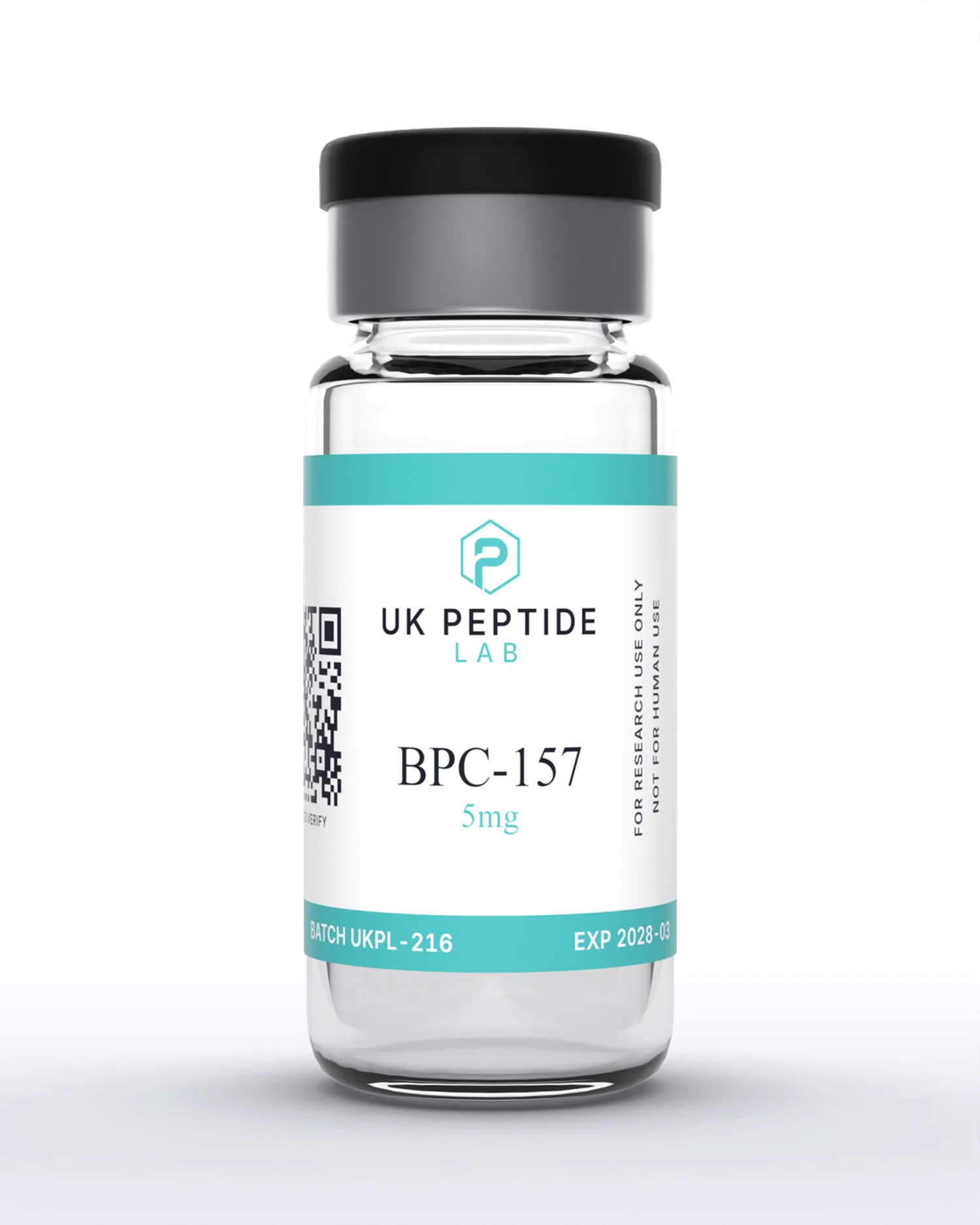
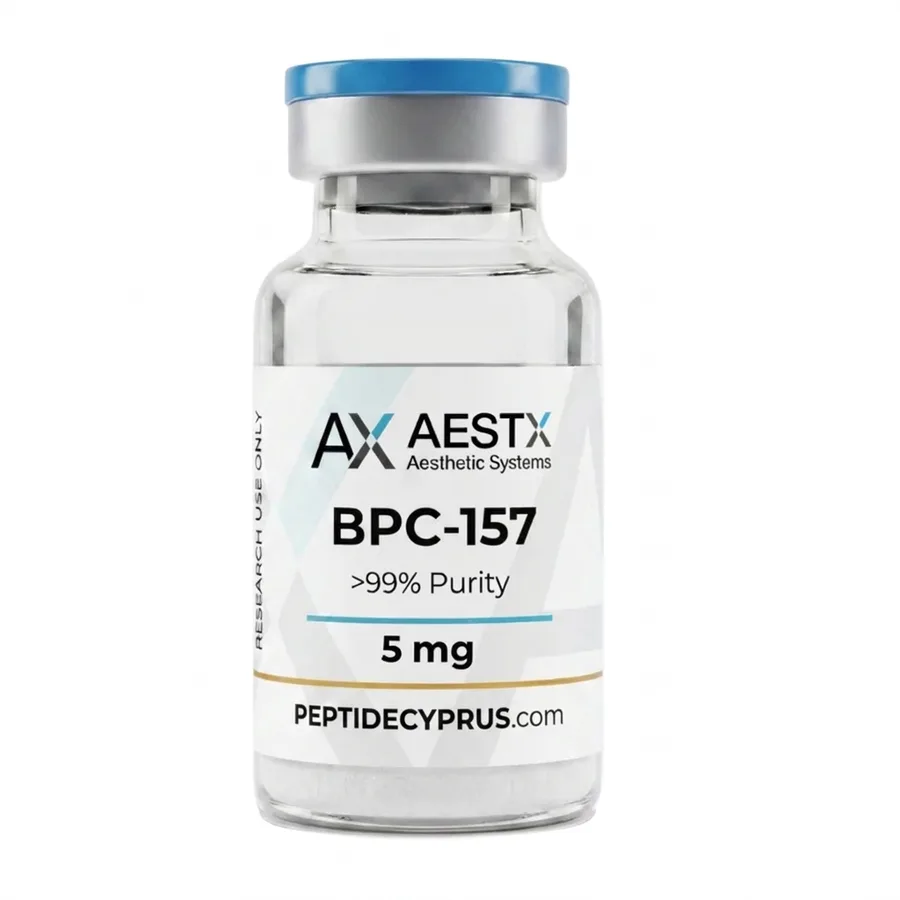
BPC-157 vs TB-500: the 2026 research peptide comparison for tissue regeneration and repair BPC-157 vs TB-500: two research stars in tissue repair Two peptides have dominated research on musculotendinous regeneration, intestinal healing and vascular repair for a decade: BPC-157 (Body Protection Compound 15 amino acids, derived from a human gastric protein) and TB-500 (active 17-mer fragment of endogenous Thymosin -4)
To name just a few: fatigue, breathlessness, dizziness, diarrhoea, dementia, depression, tachycardia, swollen and sore joints, blurred vision, pain and numbness (or burning) in hands and feet, sore muscles, sore tongue, inability to walk (later)
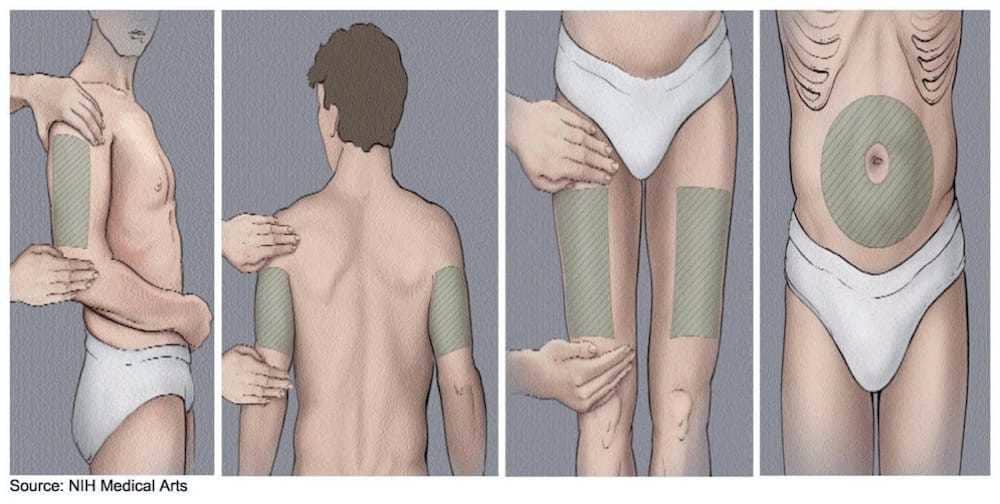
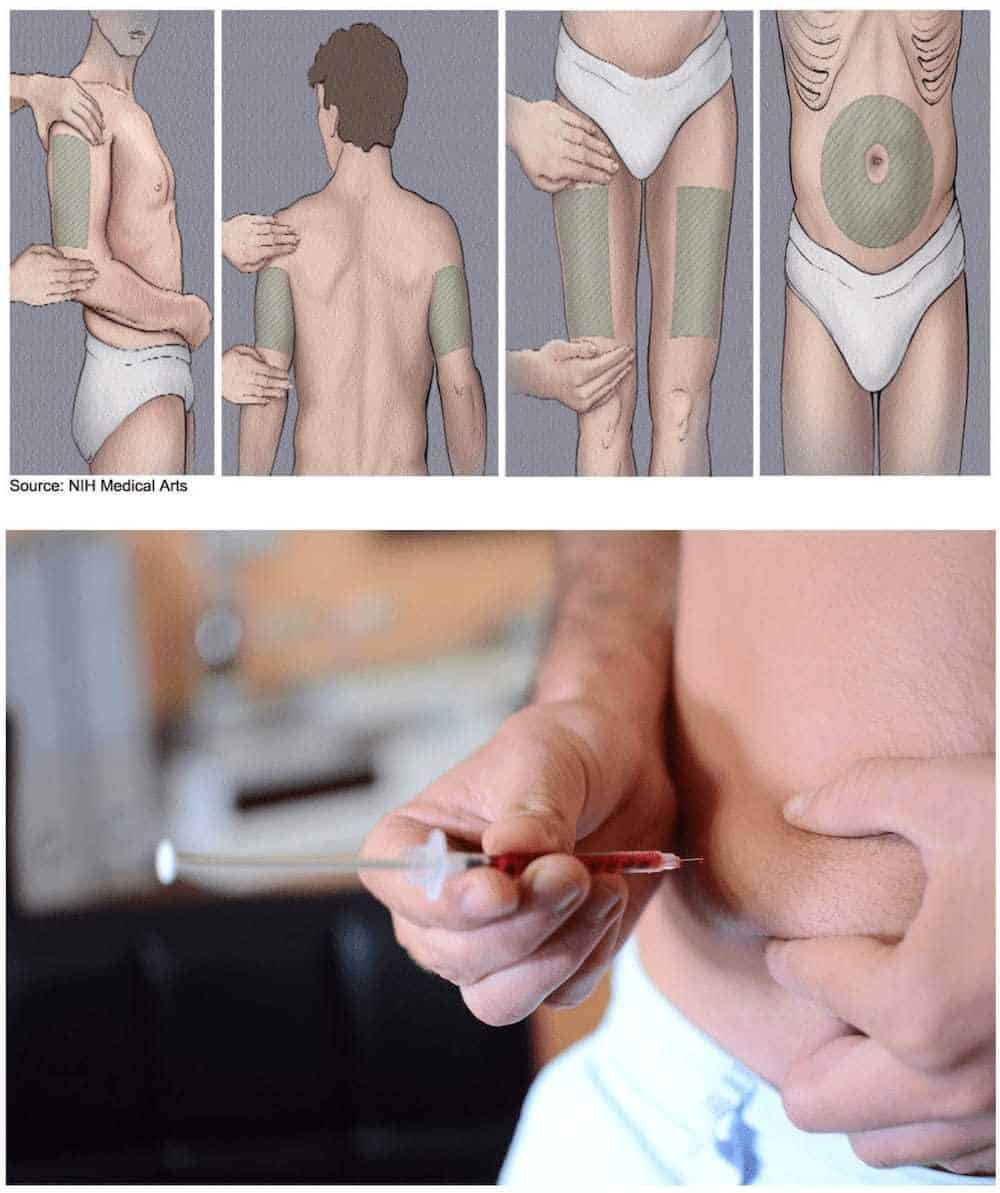
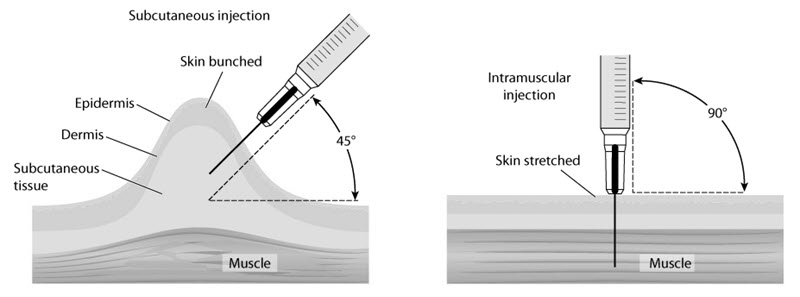
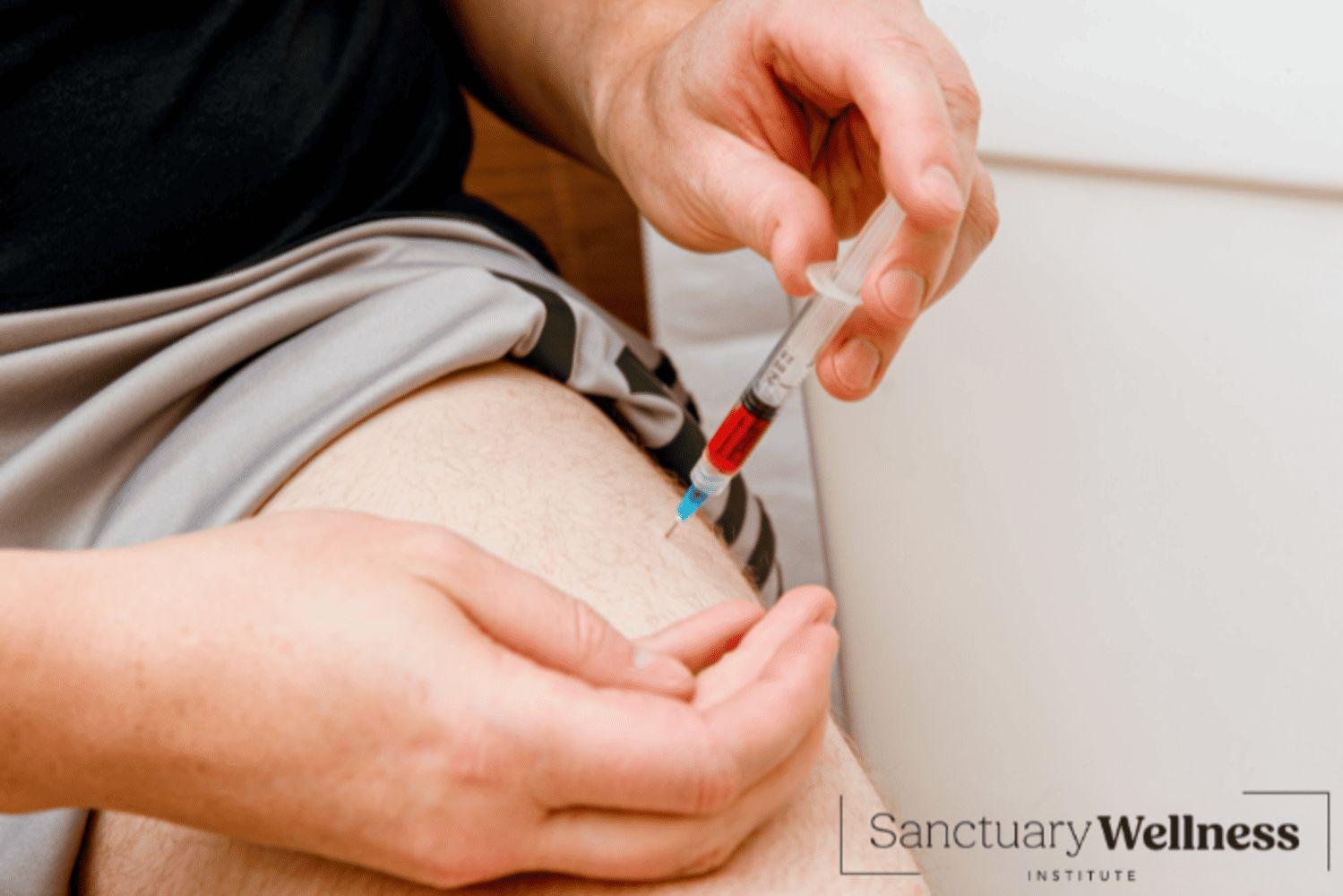
For the full BPC-157 dosing breakdown, see our BPC-157 dosage protocol guide: BPC-157: 200 to 500 mcg per day, subcutaneous injection near the injury site, 4 to 8 weeks TB-500 loading phase (Weeks 1-4): 2 to 5 mg twice per week TB-500 maintenance phase (Weeks 5-8): 2 mg once per week Route: Both peptides are administered via subcutaneous injection
Betametasona 0,3 mg









![LE PILOTE D'EDELWEISS - WALBURGA (Tome 3) [COCKPIT COLLECTION] il nous relate divers récits de pilotes et d'équipages français pendant la Seconde Guerre mondiale.](https://cdn.shopify.com/s/files/1/0270/3015/9446/products/IMG_5069_d388f2b2-61ad-4b53-8f3b-3b0123d69ebf.jpg?v=1678622505)


